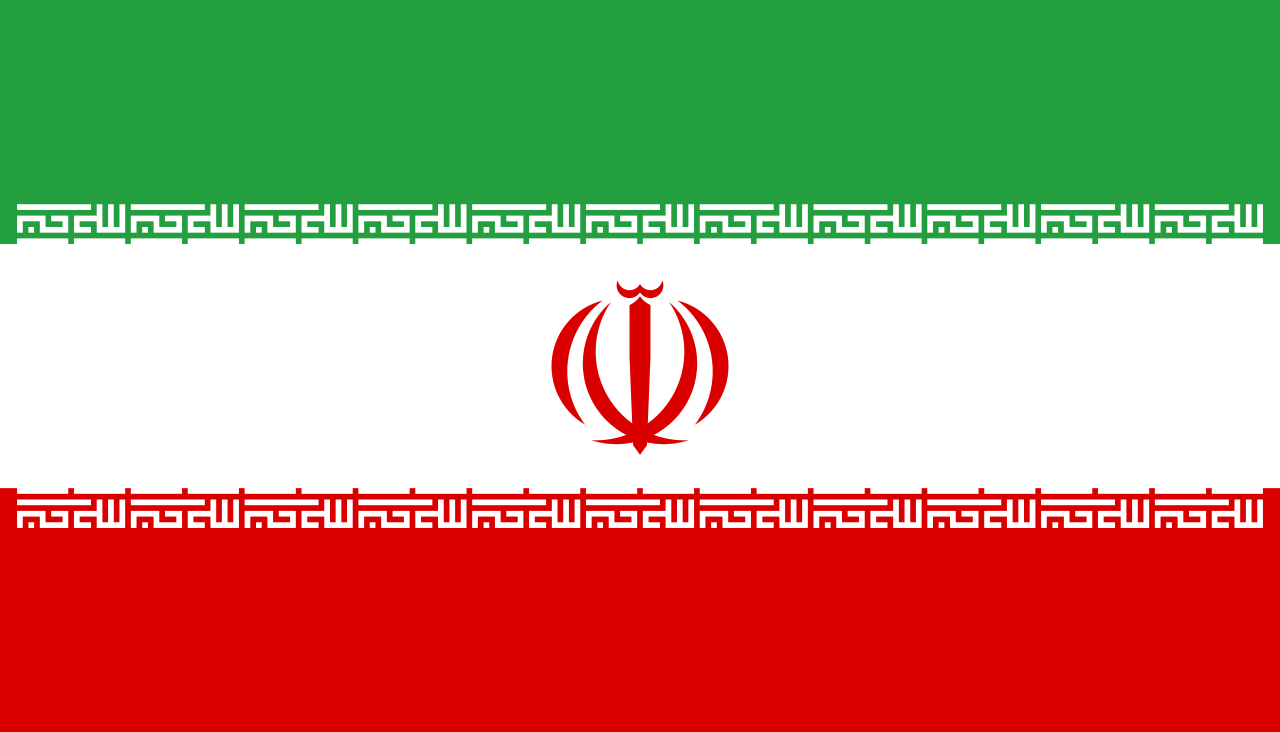
Middle East Stability at Risk: Iran Conflict Deepens Amidst Regional Upheaval
The Middle East stands at a critical juncture, its fragile stability severely tested by the deepening conflict involving Iran, the United States, and Israel. Recent events have triggered a dramatic escalation, sending shockwaves across the region and compelling international actors, including Germany, to re-evaluate their security postures and diplomatic strategies. The consequences of this intensified confrontation extend far beyond immediate battlefields, impacting global energy markets, international diplomacy, and the very fabric of regional security. Understanding the multifaceted dimensions of this crisis is paramount for grasping the complexities of contemporary geopolitics and assessing the collective security challenges that lie ahead.
The Escalating Crisis: A New Chapter in Middle East Conflict
The situation in the Middle East has taken a stark turn following significant military operations. Joint U.S.-Israel strikes, announced by President Donald Trump as "major combat operations," targeted a range of military and government sites within Iran. These coordinated attacks represent a dramatic escalation of long-standing tensions, pushing the region to the brink of a wider war.
One of the most profound developments confirmed by Iranian state television was the death of Ayatollah Ali Khamenei in Tehran airstrikes. The loss of Iran's supreme leader creates an unprecedented power vacuum, with no immediate successor named, potentially leading to internal instability and uncertainty regarding the country's future trajectory. This leadership change introduces an unpredictable variable into an already volatile equation, with profound implications for Iran's domestic politics and foreign policy.
Iran's response to these operations has been swift and severe, characterized by a barrage of missile and drone attacks. Targets have included Israel, various U.S. military bases across the region, and multiple Gulf nations. This tit-for-tat escalation underscores the high stakes involved and the immediate danger of miscalculation leading to an uncontrollable conflagration. The immediate goal for many international observers is to find a pathway to de-escalation before the conflict draws in more regional and global players.
Diplomatic Fault Lines and US Readiness Concerns
Amidst the escalating military confrontation, the state of diplomatic readiness, particularly within the United States, has come under scrutiny. The American Foreign Service Association (AFSA), representing 23,000 active and retired U.S. Foreign Service employees, issued a pointed statement highlighting significant "gaps in America's diplomatic readiness." AFSA specifically pointed to the critical absence of Senate-confirmed ambassadors at several key postings in the Middle East, describing these leadership gaps as "impossible to ignore."
In a moment of intense regional instability, the lack of experienced, Senate-confirmed leadership can severely impede effective crisis management and communication. Furthermore, AFSA noted that attempts to reduce force have left many embassies and supporting offices critically understaffed, weakening America's ability to safeguard its national interests abroad. The union emphasized that the safety of U.S. diplomats and their families must remain paramount, asserting that America cannot effectively advance its national interests without ensuring the security and proper resourcing of its diplomatic corps. This concern is further explored in our related analysis, US Diplomatic Challenges Amidst Escalating Iran Crisis.
On the legislative front, efforts to assert congressional oversight over military action against Iran also faced setbacks. The Senate rejected a Democratic-led Iran war powers resolution that sought to require congressional approval for military action. The procedural vote, which aimed to remove U.S. armed forces from unauthorized hostilities within or against Iran, failed by a margin of 47 to 53. Notably, Republican Sen. Rand Paul co-sponsored the resolution, while Democrat Sen. John Fetterman voted against it, highlighting a rare bipartisan split on this critical issue.
Despite these internal challenges, Secretary of State Marco Rubio engaged in active diplomacy, speaking with his counterparts in Saudi Arabia, Turkey, Cyprus, and Italy. These calls focused on the evolving situation, with Rubio thanking Saudi Foreign Minister Prince Faisal bin Farhan Al Saud for Saudi Arabia's response to an attack on the U.S. Embassy in Riyadh. Discussions also revolved around the continued threats posed by the Iranian regime to regional stability. With Turkish Foreign Minister Hakan Fidan, Rubio pledged full U.S. support against attacks on Turkey's sovereign territory. These diplomatic efforts, though vital, underscore the immense pressure on the remaining diplomatic infrastructure to manage a rapidly deteriorating security environment.
Germany's Critical Stake: Assessing "Iran Deutschland Sicherheit"
While the immediate focus of the conflict remains within the Middle East, the ripple effects are profoundly felt globally, particularly by European powers like Germany. The concept of iran deutschland sicherheit – the intertwining of Iran's stability with Germany's security – is more relevant than ever. Germany, as an economic powerhouse and a central player in the European Union, has significant interests at stake, ranging from economic stability to social cohesion and broader geopolitical influence.
Economic Repercussions and Energy Security
A protracted and intensified conflict in the Middle East poses a direct threat to Germany's economic health. The region is a vital source of global energy, and any disruption to oil and gas supplies, particularly through critical chokepoints like the Strait of Hormuz, would inevitably lead to significant price spikes. Germany's highly industrialized economy, while increasingly diversifying its energy sources, remains sensitive to volatile energy markets. Increased energy costs can lead to inflation, reduced industrial output, and ultimately, a decline in living standards. Furthermore, disruptions to global trade routes could impact supply chains for various German industries, affecting everything from manufacturing to consumer goods. Germany's push for green energy solutions is partially driven by a desire to reduce such external dependencies, but the transition is ongoing, making current vulnerabilities pronounced.
Geopolitical Implications for European Stability
The destabilization of the Middle East also carries significant geopolitical implications for European stability. Germany has historically sought to play a diplomatic role, notably within the framework of the Joint Comprehensive Plan of Action (JCPOA), aiming to prevent nuclear proliferation and foster dialogue. The current escalation undermines such diplomatic efforts and risks creating a security vacuum that could be exploited by various state and non-state actors. Germany, as a NATO member, finds itself navigating complex alliance commitments while simultaneously seeking to preserve European unity and strategic autonomy. The direct threat of regional conflict spilling over into cyber warfare or even indirect proxy conflicts affecting European interests cannot be underestimated, placing German critical infrastructure and digital economy at risk.
The Human Cost and Migration Pressures
Perhaps one of the most immediate and tangible impacts of intensified conflict on Germany relates to humanitarian concerns and potential migration flows. Past conflicts in the wider Middle East have demonstrated how regional instability can lead to significant displacement and large-scale refugee movements towards Europe. Germany, having absorbed a substantial number of refugees in previous crises, is acutely aware of the social, economic, and political pressures that can arise. Ensuring robust humanitarian aid and working towards de-escalation are not just ethical imperatives but also crucial for managing potential future migration challenges and maintaining domestic social cohesion within Germany.
For individuals and businesses in Germany, it's prudent to monitor official travel advisories and stay informed about geopolitical developments. Businesses with supply chains or investments in the affected regions should review their risk mitigation strategies. The German government, in conjunction with its EU partners, is likely to prioritize diplomatic avenues, support for international humanitarian efforts, and robust intelligence sharing to safeguard national security in the face of this evolving crisis.
Navigating the Path Forward: International Response and Future Outlook
The current crisis demands a concerted and multilateral international response to prevent a full-scale regional war. The immediate challenges include de-escalation of military actions, establishment of communication channels, and protection of civilian lives. International bodies like the United Nations, alongside regional organizations and key global powers, have a critical role to play in mediating disputes and fostering dialogue. Without robust diplomatic initiatives, the cycle of retaliation risks trapping the Middle East in an endless spiral of violence.
The long-term outlook for Middle East stability remains precarious. The absence of a clear successor to Ayatollah Khamenei introduces an element of unpredictability to Iran's internal and external policies. Any new leadership will face the daunting task of navigating both domestic pressures and intense international scrutiny. For the region, the deepening conflict risks exacerbating existing humanitarian crises, further empowering extremist groups, and disrupting global energy security for years to come. For a more detailed look at the broader regional implications, see our article on Iran Tensions & Regional Security: Latest Developments.
The international community, including Germany, must advocate for sustainable diplomatic solutions and uphold international law. This involves not only addressing the immediate conflict but also working towards comprehensive regional security frameworks that incorporate the legitimate concerns of all parties. The path forward will be fraught with challenges, requiring consistent diplomatic engagement, strategic patience, and a unified international front to steer the region away from the precipice of wider conflict.
In conclusion, the escalating conflict involving Iran, the U.S., and Israel has irrevocably altered the security landscape of the Middle East. The death of Iran's supreme leader, coupled with significant military actions and retaliatory strikes, has unleashed a new wave of instability. The critical examination of diplomatic readiness, as highlighted by AFSA, underscores systemic vulnerabilities in crisis management. For Germany, the implications for iran deutschland sicherheit are tangible and far-reaching, encompassing economic disruption, geopolitical instability, and potential humanitarian crises. The global community now faces the urgent task of charting a course towards de-escalation and durable peace, recognizing that the security of one region is inextricably linked to the stability of the entire world.