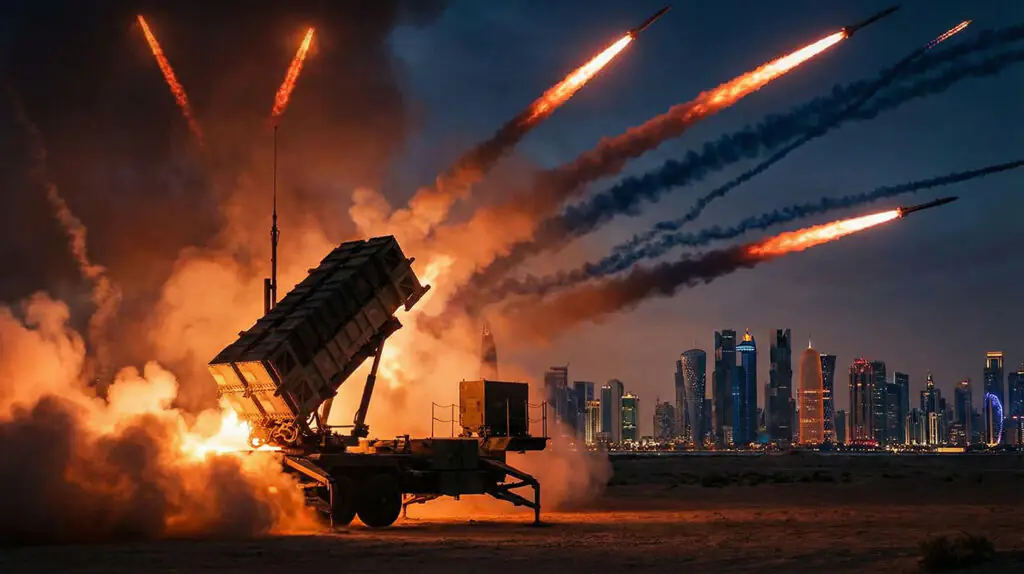
Iran Tensions & Regional Security: Latest Developments Unfold
The Middle East finds itself at a critical juncture, with recent dramatic escalations in the long-standing tensions surrounding Iran. A series of events, including significant military actions and diplomatic maneuvers, have not only reshaped the immediate geopolitical landscape but also sent ripples of concern across the globe, impacting international partners and security interests, including those of Iran, Deutschland, und Sicherheit (Iran, Germany, and Security).
The situation began with a major combat operation, jointly initiated by the U.S. and Israel, targeting key military and government sites within Iran. This unprecedented move quickly escalated into a full-blown crisis, marking a new, more volatile chapter in regional dynamics. Among the most impactful developments was the confirmation by Iranian state television of the death of Ayatollah Ali Khamenei in airstrikes on Tehran, leaving the nation grappling with the immediate need to name a successor and navigate a highly uncertain future.
Escalation in the Middle East: A New Chapter of Conflict
The initial U.S.-Israeli strikes were met with swift and forceful retaliation from Iran. Iranian forces responded with missile and drone attacks targeting Israeli territories, regional U.S. bases, and several Gulf nations. This tit-for-tat escalation underscored the fragility of peace in an already volatile region and highlighted the immediate dangers of miscalculation.
The loss of Ayatollah Ali Khamenei, a figure who had steered Iran for decades, represents a monumental shift for the Islamic Republic. His successor will inherit a nation under immense pressure, facing both internal and external challenges. The transition itself could be a source of instability, potentially influencing Iran's future foreign policy and its approach to regional conflicts.
This cycle of aggression has thrust the Middle East into a deeper crisis, raising profound questions about the prospects for de-escalation and long-term stability. The immediate consequences are already being felt, with heightened security alerts across the region and increased apprehension among global powers. For a deeper dive into the broader regional implications, read our related analysis: Middle East Stability at Risk: Iran Conflict Deepens.
The Immediate Human and Geopolitical Impact
- Increased Regional Volatility: The expansion of hostilities to multiple fronts signifies a widening conflict zone, potentially drawing in more regional actors.
- Economic Repercussions: Global energy markets are particularly sensitive to Middle Eastern instability. Disruptions to oil supplies or shipping lanes could have immediate and severe economic consequences worldwide.
- Humanitarian Concerns: Escalating conflict invariably leads to civilian casualties, displacement, and a worsening humanitarian crisis in already fragile areas.
- Leadership Transition in Iran: The succession process for Ayatollah Khamenei is critical. The ideological and political leanings of the new leader will significantly impact Iran's future trajectory and its relations with the international community.
Diplomatic Challenges and Readiness Gaps
Amidst the military actions, critical questions have emerged regarding diplomatic readiness and the efficacy of international efforts to manage the crisis. The American Foreign Service Association (AFSA), representing U.S. diplomats, voiced serious concerns about "real gaps in America's diplomatic readiness." They highlighted the alarming lack of Senate-confirmed ambassadors at several crucial postings in the region, alongside embassies being "critically understaffed."
AFSA emphasized that these leadership and staffing deficiencies are "impossible to ignore" at a moment of escalating instability. The union underscored that the safety of U.S. diplomats and their families must remain paramount, as America "cannot safeguard its national interests if it cannot safeguard the diplomats who advance them." These observations bring into sharp focus the imperative for robust diplomatic infrastructure, not just military strength, in navigating complex geopolitical challenges. For further insights into the U.S. diplomatic landscape, consider reading: US Diplomatic Challenges Amidst Escalating Iran Crisis.
The War Powers Debate in the U.S. Senate
Adding another layer of complexity, the U.S. Senate recently rejected a Democratic-led Iran war powers resolution. This resolution aimed to require congressional approval for military action against Iran, seeking to reassert legislative authority over the use of force. The procedural vote, which failed 47-53, revealed deep divisions within Congress regarding the extent of presidential war powers, particularly in rapidly unfolding international crises. Notably, Senator Rand Paul (Republican) co-sponsored the resolution and voted in favor, while Senator John Fetterman (Democrat) was the sole Democrat to vote against it.
This debate underscores the delicate balance between executive and legislative branches in foreign policy and conflict initiation. In an era of swift international developments, the speed and decisiveness often favored by the executive must be balanced against the constitutional checks and balances designed to prevent unilateral military engagements.
Germany's Stake: Iran, Deutschland, und Sicherheit in Europa
The crisis in the Middle East is not a distant concern for Europe. For Deutschland, the situation around Iran has direct implications for its national and European Sicherheit (security). Germany, as a major European power and a strong advocate for multilateralism and diplomatic solutions, watches these developments with profound concern. Its approach is typically characterized by a commitment to international law, human rights, and de-escalation.
Economic and Energy Security
Germany's economy, heavily reliant on global trade and stable energy supplies, is vulnerable to disruptions in the Persian Gulf. Any major conflict there risks inflating oil and gas prices, directly impacting German industries and consumers. Furthermore, global supply chains, already under strain, would face immense pressure, potentially leading to significant economic downturns. Germany, therefore, has a strong economic interest in regional stability and the unimpeded flow of goods and energy resources.
Migration and Refugee Flows
A significant escalation of conflict in the Middle East could trigger new waves of migration and refugees. Germany, having previously experienced the societal and political challenges associated with large-scale refugee arrivals, is keenly aware of the potential humanitarian and logistical challenges. Maintaining stability in source regions is, therefore, a key component of Germany's broader security strategy.
Diplomatic Engagement and European Stability
Germany plays a crucial role within the European Union and NATO, consistently advocating for a common European foreign and security policy. In the context of Iran, Germany has historically been a proponent of the Joint Comprehensive Plan of Action (JCPOA), viewing it as the best mechanism to prevent Iran from developing nuclear weapons. Current escalations highlight Germany's ongoing commitment to diplomatic engagement and its efforts to coordinate a unified European response that prioritizes de-escalation and long-term stability.
Practical Tip for German Policymakers: In light of these escalating tensions, Germany must intensify its diplomatic efforts within the EU and with international partners to foster dialogue, push for clear de-escalation pathways, and support humanitarian initiatives. Strengthening European strategic autonomy and diversifying energy sources are also critical long-term security imperatives.
International Responses and the Path Forward
The U.S. Secretary of State, Marco Rubio, has been actively engaging with his counterparts across the globe, underscoring the international community's shared concerns. His discussions included calls with the Saudi Foreign Minister, Prince Faisal bin Farhan Al Saud, where they discussed Saudi Arabia's response to an attack on the U.S. Embassy in Riyadh and the "continued threats the Iranian regime poses to regional stability."
Rubio also spoke with Turkish Foreign Minister Hakan Fidan, condemning attacks on Turkey's sovereign territory and pledging full U.S. support. Further reaffirming strong partnerships, he engaged with Cypriot Foreign Minister Constantinos Kombos and Italian Foreign Minister Antonio Tajani. These diplomatic engagements highlight the complex web of alliances and shared security interests that are now being tested by the crisis.
The Imperative of Multilateralism
The current crisis underscores the undeniable need for concerted multilateral efforts. Unilateral actions, while sometimes swift, often fail to address the root causes of conflict or secure lasting peace. A coordinated international approach, involving not only the U.S. and its allies but also other significant global players, is essential to:
- De-escalate Tensions: Establish clear channels of communication to prevent further military engagements and miscalculations.
- Address Humanitarian Concerns: Ensure aid reaches affected populations and support for displaced individuals.
- Rebuild Trust: Lay the groundwork for future negotiations and trust-building measures, however challenging they may seem now.
- Enforce International Norms: Reaffirm the importance of international law and the peaceful resolution of disputes.
Actionable Advice: Countries like Germany, with strong diplomatic traditions and a commitment to stability, should leverage their influence within the EU and international forums to champion a path of diplomacy. Supporting initiatives for ceasefires, humanitarian access, and long-term regional security dialogues are crucial steps.
Conclusion
The latest developments surrounding Iran represent a profound challenge to regional and global security. The immediate fallout from the U.S.-Israel strikes and Iran's retaliation, coupled with the critical leadership transition in Tehran, has created an environment of unprecedented uncertainty. The glaring gaps in diplomatic readiness highlighted by AFSA further complicate the picture, emphasizing that military strength alone cannot guarantee stability.
For nations like Germany, the implications for Iran, Deutschland, und Sicherheit are direct and significant, spanning economic stability, energy security, and migration challenges. The path forward demands a delicate balance of firmness and diplomatic engagement, with a renewed emphasis on multilateral cooperation and adherence to international law. As the Middle East grapples with these profound changes, the collective resolve of the international community to pursue de-escalation and foster sustainable peace will be put to its ultimate test.